Signs Your Home Demands Foundation Repair: Don't Wait Until It's Too Late
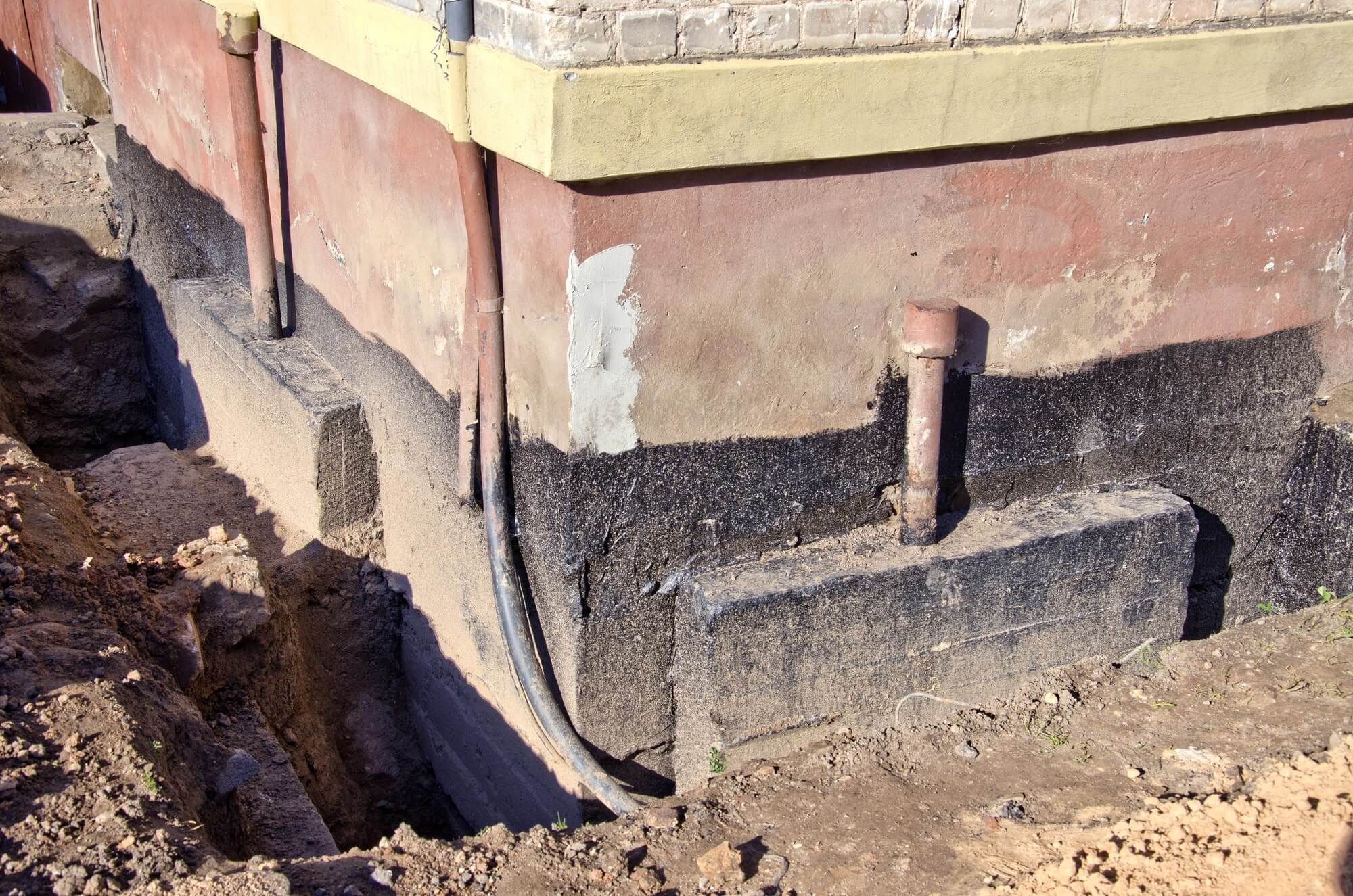
Many home owners ignore early signs of foundation concerns, frequently dismissing them as small troubles. Cracks in wall surfaces, unequal floorings, and sticking doors may seem unimportant. However, these signs and symptoms can aim to deeper problems that intimidate the stability of a home. Ignoring these signs can cause pricey repair services and safety and security dangers. Understanding the very early warning signs is vital for maintaining a secure living environment. What should house owners be vigilant regarding?
Cracks in Wall Surfaces and Ceilings
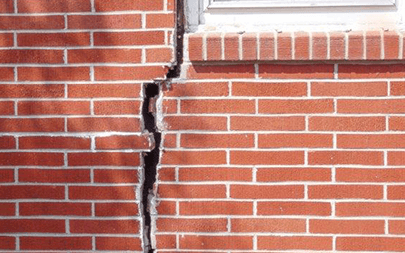
When a property owner notices splits forming in walls and ceilings, it may indicate underlying issues with the foundation. These fractures can differ in dimension and direction, usually showing up as upright, straight, or diagonal lines. Small hairline cracks may be benign, arising from regular settling; nonetheless, wider, more noticable cracks might indicate substantial architectural issues. Homeowners need to pay attention to the area of the cracks. Fractures near home windows and doors may recommend that the foundation is changing, hampering the normal procedure of these openings. Furthermore, if the splits continue to increase or multiply, it is prudent to seek advice from a foundation expert. Timely treatment can stop additional damage and assure the honesty of the home's structure.
Uneven or Sloping Floorings
Doors and Windows That Stick
Indicators of foundation issues can manifest in different methods, including doors and home windows that stick. When a home's foundation changes or resolves erratically, it can lead to misalignment in door and window frames. This misalignment usually causes doors that decline to open or shut efficiently and windows that are hard to run. Property owners might observe increased friction when attempting to utilize these components, which might indicate underlying architectural problems. Additionally, sticking home windows and doors can develop gaps that enable drafts and dampness to enter, worsening power ineffectiveness and prospective damage. Attending to these indicators promptly can stop more difficulties and assure the home continues to be comfy and safe. Foundation Crack Repair. Identifying these indications is crucial for keeping the honesty of the building
Voids Around Door Frames and Windows
Gaps around door frameworks and home windows can show underlying foundation problems, typically arising from changes in the home's framework. Foundation Repair Des Moines. These voids might arise as a result of clearing up, wetness damages, or improper installment. Addressing door structure issues quickly can help avoid better complications and maintain a safe and secure home setting
Sources of Spaces
When a home experiences changes in its foundation, it can result in visible areas creating around door frames and windows - Foundation Crack Repair. Several factors might contribute to these shifts. Soil activity, commonly triggered by dry spell, heavy rains, or extensive clay, can threaten a foundation's security. In addition, poorly mounted or damaged seamless gutters may lead to water pooling around the foundation, exacerbating disintegration. Tree roots expanding as well close can also exert pressure on the foundation, triggering it to settle unevenly. In addition, age is a considerable variable; as homes settle gradually, the products might warp or reduce, bring about spaces. Recognizing these reasons is important for homeowners to address foundation problems before they intensify into much more severe issues
Repairing Door Framework Issues
Exactly how can property owners efficiently attend to voids around door structures and home windows? They ought to assess the degree of the voids, which may show underlying foundation concerns. Property owners can start by applying weatherstripping or caulk to seal minor gaps, making sure a much better fit and improved insulation. For bigger spaces, shimming the door frame with wooden wedges can help straighten the door, decreasing motion and stopping further degeneration. In situations where voids linger or aggravate, it may be required to seek advice from an expert specialist. They can review the foundation and offer detailed repair remedies. Attending to door frame concerns without delay not just boosts convenience yet likewise protects against more substantial architectural troubles in the future.
Water Buildup in the Cellar or Crawl Space
Water accumulation in the cellar or you could try these out crawl area may seem like a minor concern at first, it often signals underlying foundation problems that require prompt focus. This water invasion can stem from different resources, consisting of poor water drainage systems, insufficient grading, or harmed seamless gutters. When left unaddressed, accumulated water can cause mold and mildew growth, wood rot, and other moisture-related problems that compromise the structural integrity of the home. Home owners must consistently check these locations for standing water or dampness, particularly after heavy rains. Prompt intervention is vital; resolving the source of the water build-up not only shields the foundation but additionally preserves a healthier living atmosphere. Ignoring this alerting sign can cause more costly and extensive repair work down the line.
Bowing or Leaning Walls
Bowing or leaning wall surfaces can suggest substantial structural issues within a home, commonly stemming from dirt pressure or water damage. Property owners ought to be attentive for indicators such as splits, irregular surfaces, and doors or home windows that stick. Understanding the causes and readily available fixing options is crucial for preserving a risk-free and stable living setting.
Sources Of Bowing Wall Surfaces
It frequently signals underlying issues that can jeopardize the honesty of a home when wall surfaces start to lean or bow. One key reason of this phenomenon is too much wetness in the soil surrounding the foundation, bring about hydrostatic stress that pushes against the walls. Poor drainage systems can aggravate this problem, permitting water to build up near the foundation. In addition, dirt disintegration can undercut the ground assistance, further adding to wall surface activity. Tree origins can likewise pose a risk, as they might absorb moisture from the dirt or apply pressure on the foundation. Ultimately, inadequate construction methods or products can weaken wall structure, making them much more vulnerable to bowing in time. Resolving these causes promptly is crucial for preserving architectural safety and security.
Indicators to Expect
Just how can house owners recognize the indications of bowing or leaning walls before they escalate right into more severe issues? Early detection is important for stopping further damages. Home owners need to search for noticeable fractures in walls, specifically those that are bigger at the top than the base. Unequal or sloped floors might likewise signal foundation issues. Doors and home windows that stick or do not close correctly can show moving walls. In addition, voids in between ceilings and walls or trim may establish, disclosing motion in the structure. Home owners must frequently inspect these areas, as overlooking these signs can bring about considerable structural damages and pricey repairs. Identifying these problems immediately permits timely treatment and preservation of the home's integrity.
Repair Options Available
Attending to bowing or leaning wall surfaces calls for an array of reliable fixing choices to bring back structural honesty. One common approach is the installment of wall surface supports, which offer outside assistance by safeguarding the wall surface to secure dirt. In addition, helical piers can be employed to transfer the tons of the framework deeper into the ground, maintaining the foundation. One more option is the use of carbon fiber bands, which strengthen the walls and protect against further motion. In extreme cases, rebuilding the affected wall surface may be required. House owners need to speak with foundation fixing specialists to evaluate the extent of the problem and establish the most ideal fixing approach, ensuring long-lasting security and safety for the home.
Foundation Negotiation or Heaving
Foundation negotiation or heaving can significantly influence a home's architectural honesty. This sensation takes place when the ground below a structure changes, causing it to sink or rise erratically. Settlement usually arises from dirt compaction, moisture adjustments, or erosion, while heaving is commonly linked to freeze-thaw cycles or extensive clay dirts. House owners may discover splits in walls, irregular floorings, or doors that decline and stick to shut effectively. Such indicators show that the foundation is experiencing anxiety, which can result in extra severe damages if left unaddressed. Prompt examination and treatment are important to mitigate risks and ensure the longevity of the home. Dealing with foundation concerns immediately can conserve home owners considerable repair work prices and improve security.
Often Asked Inquiries
Just How Much Does Foundation Repair Typically Expense?
Can I Repair Foundation Issues Myself?
Repairing foundation issues individually is possible for small problems; nevertheless, considerable damages generally requires expert know-how. Homeowners need to meticulously assess their skills and the extent of the issues prior to attempting self-repair. Specialist help is commonly recommended.
How Much Time Does Foundation Repair Take?
Foundation repair work typically takes anywhere from a couple of days to numerous weeks, relying on the extent of the damage and the approaches utilized. Elements such as climate problems and service provider accessibility can also affect the timeline.
What Causes Foundation Problems in Homes?
Foundation troubles in homes can arise from numerous aspects, consisting of soil motion, water damage, inadequate drainage, tree roots, and building problems. Each of these issues can endanger structural integrity, leading to considerable long-term damage if not attended to.
Is Foundation Repair Covered by Homeowners Insurance Coverage?
Foundation repair coverage differs by property owners insurance coverage. Normally, damage from sudden accidents might be covered, while steady wear and tear or damage from all-natural elements typically isn't - Foundation Repair Des Moines. Home owners should review their details plan for clearness
Several house owners forget very early indicators of foundation concerns, typically disregarding them as minor inconveniences. When a home owner notices fractures developing in walls and ceilings, it may suggest underlying issues with the foundation. Sloping or uneven floors can be a clear indicator of foundation problems within a home. Voids around door structures and windows can indicate underlying foundation concerns, frequently resulting from shifts in the home's framework. Repairing foundation concerns separately is possible for minor problems; nonetheless, significant damages typically needs professional competence.